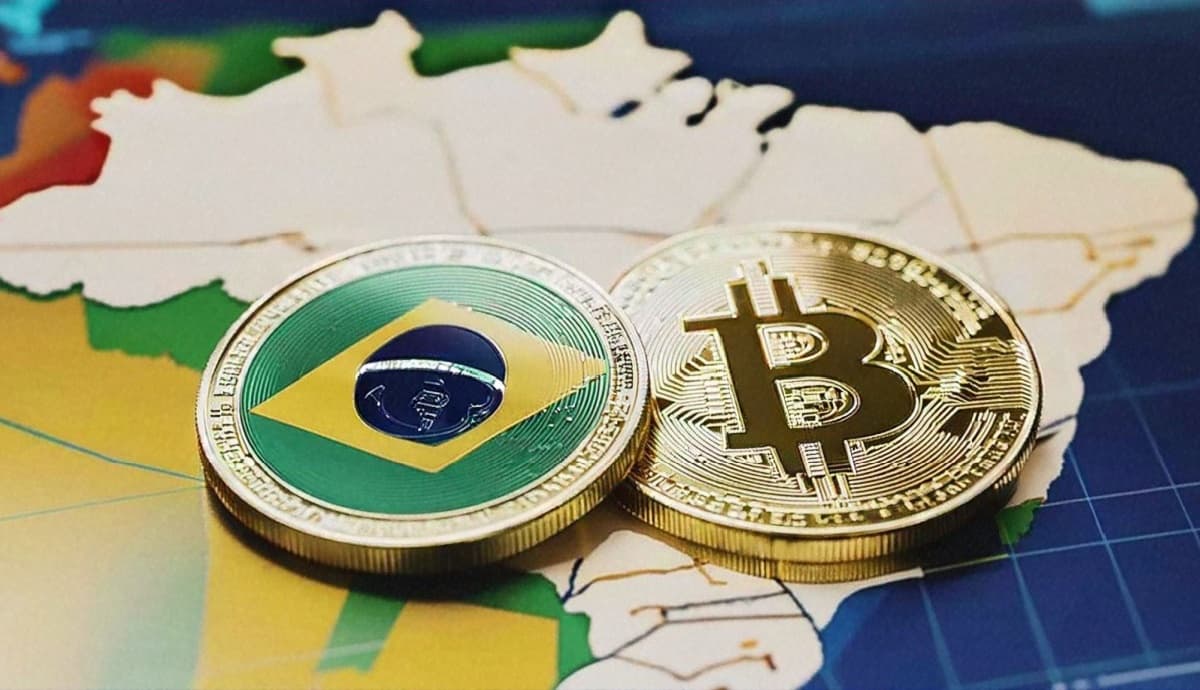
Prediction markets badly mispriced Brazil's presidential election, with Polymarket putting the chances of Luiz Inácio Lula da Silva at just 20% ahead of election day, when he ultimately won.
Experts say the error stems from the ban on prediction markets in Brazil and a wave of retail traders diluting the expertise of the capital involved.
Lula defeated his right-wing rival Flávio Bolsonaro in Brazil's presidential election on Sunday. Bolsonaro led after the first round of voting in early October but failed to secure a majority, forcing a run-off. It was that run-off Lula won, this time with a majority, and he will serve his fourth term as president.
On the eve of the election, Lula had about a 20% chance of winning, while Bolsonaro stood at 80%, according to Polymarket. Even as polls and results began coming in, a Polymarket "whale" told Decrypt that the market was slow to adjust its odds.
"The sharps [a term for professional high-stakes forecasters] knew the market was mispriced, probably closer to 30-40% on election day. The mispricing was most evident during live trading — Lula was all but guaranteed by 7:15pm, when 'Yes' on Lula was trading at 60 cents," said the pseudonymous Polymarket whale FhantomBets. "Retail traders were so against Lula that you could get unlimited size at 60-80 cents when Lula had [essentially] already won."
Prediction markets settle at US$1, with prices below that — such as US$0.60 on a "yes" bet for Lula in Brazil's election — giving the implied probability of the event occurring.
The Polymarket trader added that many whales, including himself, were selling off long-standing positions to free up capital so they could add more volume to the Brazilian market. In essence, FhantomBets argues that retail traders with less experience in prediction markets inflated Bolsonaro's odds right up to the last moment.
Luke Nolan, senior research analyst at CoinShares, pushed back on that notion, saying Polymarket's odds reacted as polling results came in overnight.
"I don't think more users is an inherent problem. They can bring liquidity and different perspectives, including local knowledge. What matters is whether participation brings different information and whether traders can act on it," Nolan told Decrypt. "I'd be cautious about explaining the outcome simply as professionals being right and retail being wrong."
Instead, Nolan suggested that the ban on prediction markets in Brazil is probably a bigger reason the market was so badly priced. Einar Knobel, CEO and co-founder of sports-betting and prediction-market firm TxODDS, agreed.
"The price was set mostly by people outside the country," Knobel told Decrypt. "They were trading the first-round result, the headline polling numbers and the narrative built around them."
Brazil issued a sweeping ban on prediction-market platforms in April, citing concerns over investor protection and rising gambling addiction in the country. Finance Minister Dario Durigan said the platforms violated betting regulations and lacked proper regulatory oversight.
Knobel added that liquidity was also relatively low, with the market attracting only 4.5% of the volume the 2024 US presidential election drew. "With fewer participants and almost no local knowledge in the books, there was little to correct the price," Knobel said.
Nolan believes forecasters gave too much weight to Bolsonaro's first-round performance, underestimated the rise in voter turnout for the run-off, and made assumptions about how votes from eliminated candidates would transfer.
"That said, Lula was priced at around 20% before the vote," Nolan said. "That's still a meaningful chance of winning. I think there are good reasons to question whether the market underpriced him. Ultimately, something with an 80% chance of happening doesn't happen 20% of the time."
The mispricing of the Brazilian election was a significant upset, but Nolan cautioned against viewing it as a massive failure. He said prediction markets still tend to price things better than traditional betting platforms — pointing to Betfair, which gave Hillary Clinton an 83% chance on the eve of the 2016 US election.
"Over a large enough number of events, outcomes with a 20% chance should happen roughly 20% of the time. We should also compare their performance against other forecasts available at the same time," Nolan told Decrypt. "The concern would be a persistent pattern of overconfidence or a failure to incorporate relevant information, rather than a single upset."
* Translated and edited with permission from Decrypt.
Looking for an alternative to grow your returns? MB's Tokenised Fixed Income is the solution: up to 18% annual yield, controlled risk, and the security your money deserves. Find out more!