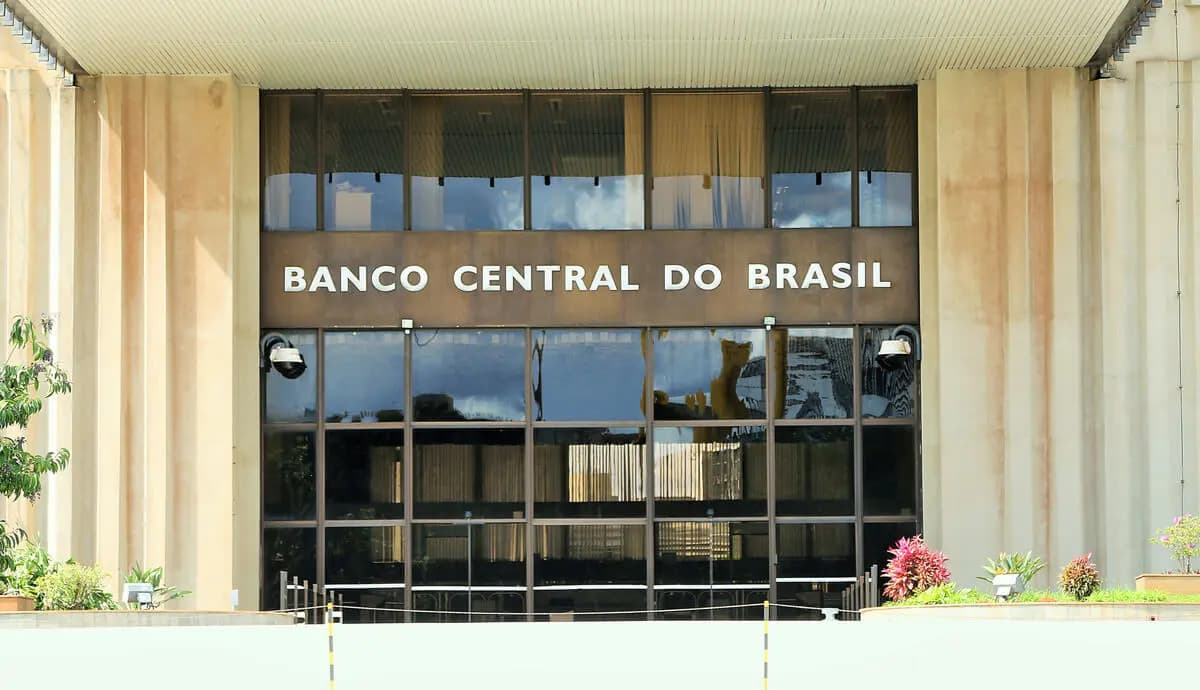
Brazil's central bank, the Banco Central do Brasil, published a new round of adjustments this week to its cryptocurrency regulation, with changes affecting both the monitoring of transfers to self-custody wallets and the authorisation and reorganisation processes for companies operating in the sector.
Among the main changes is the postponement to January 2027 of automatic reports to Brazil's financial intelligence unit, the Conselho de Controle de Atividades Financeiras (Coaf), covering cryptocurrency transfers of US$10,000 or more to or from self-custodied wallets. Transactions carried out between October and December this year, however, remain subject to the obligation and must be reported on the first business day of January.
The change is set out in Resolução BCB No. 591, of 30 September, which replaced a rule published only a week earlier. Resolução No. 588 had determined that this type of transfer would become part of the specific reports to Coaf starting 1 October. The new rule kept the obligation in place but created a special schedule for the last quarter of 2026.
In practice, a transfer of US$15,000 from an exchange to a wallet where the customer controls the private keys, for example, remains subject to reporting. The difference is that, if the transaction takes place between 1 October and 31 December, the information will be concentrated in the report due in early January.
The requirement applies in both directions: when assets leave an institution for a self-custodied wallet, and when they arrive at the institution from that type of address. Under the central bank's own definition, a self-custodied wallet is one in which the owner directly controls the private key and can move assets without relying on a service provider.
The change forms part of anti-money-laundering and counter-terrorist-financing rules. According to the central bank, self-custody wallets can reduce the amount of information available for monitoring compared with assets held at supervised institutions.
The obligation to report to Coaf does not mean these operations are banned or blocked. The aim is to create an automatic record for movements that exceed the threshold set by the monetary authority.
Central bank extends deadlines for decisions on crypto companies
Another significant change came with Resolução BCB No. 594, also approved on 30 September. The rule updates the maximum deadlines the central bank has to decide on a series of administrative requests, including those submitted by virtual asset service providers (known in Brazil as SPSAVs).
In some cases, the maximum deadline rose from 360 to 540 days, an increase of six months. The change covers requests for changes in corporate control, changes to a company's category, mergers, spin-offs and takeovers, changes to a company's stated business purpose, and authorisation to operate in the foreign exchange market.
The new deadlines apply to requests filed after the resolution takes effect. They represent the ceiling for the administrative decision and do not mean every case will necessarily take 540 days to conclude.
The change does not, however, extend the maximum period set for the initial authorisation of crypto companies.
For providers that were already operating when the regulation took effect, the central bank still has a maximum of 1,080 days to complete the whole process. The review is split into two phases, of up to 360 days and 720 days respectively. For companies that were not yet operating, the maximum deadline is 720 days.
The distinction between these figures and the new 540 days matters: the 1,080 and 720-day periods concern obtaining initial authorisation to operate as a virtual asset service provider, while the 540 days apply, among other cases, to certain corporate and operational changes submitted to the central bank afterwards.
The authorisation process sits at the centre of the new regulatory phase for the Brazilian market. Resolução BCB No. 519 set out the rules for providers' authorisation requests, while Resolução No. 520 created the categories of intermediary, custodian and virtual asset exchange and defined requirements for their operation.
Self-custody increasingly under regulatory scrutiny
The new measures continue a sequence of rules issued by the central bank throughout 2026 to broaden oversight of the path cryptocurrencies take, especially when assets leave regulated environments.
In August, for example, the central bank required providers to apply a precautionary hold of up to 24 hours on certain amounts received before proceeding with transfers to self-custodied wallets or to virtual asset companies abroad. The rule covers amounts above US$10,000, whether counted individually or as the total moved by a customer on the same day, alongside other transactions classified as higher risk. The measure takes effect in January 2027.
The central bank has also begun bringing certain virtual asset transactions within the scope of foreign exchange market rules. These include international payments and transfers in cryptocurrency, transfers related to the international use of cards, movements between a provider's customers and self-custodied wallets, and the purchase, sale or exchange of virtual assets referenced to fiat currencies.
For these transactions, providers must adopt procedures to identify the owner of the self-custodied wallet and verify the origin and destination of the assets. The central bank has also created specific obligations to report information on these movements.
Taken together, the changes show that Brazilian regulation is moving beyond an initial stage focused on defining who may operate in the market, towards a phase of more detailed operational supervision. Beyond licensing exchanges and custodians, the central bank is now tracking more closely how assets circulate, particularly in transfers out of regulated platforms, international transactions and higher-value movements.
The gateway to bitcoin, the world's largest cryptocurrency, is MB. It is simple, secure and transparent. Stop putting off an investment with huge potential. Invest in just a few clicks!