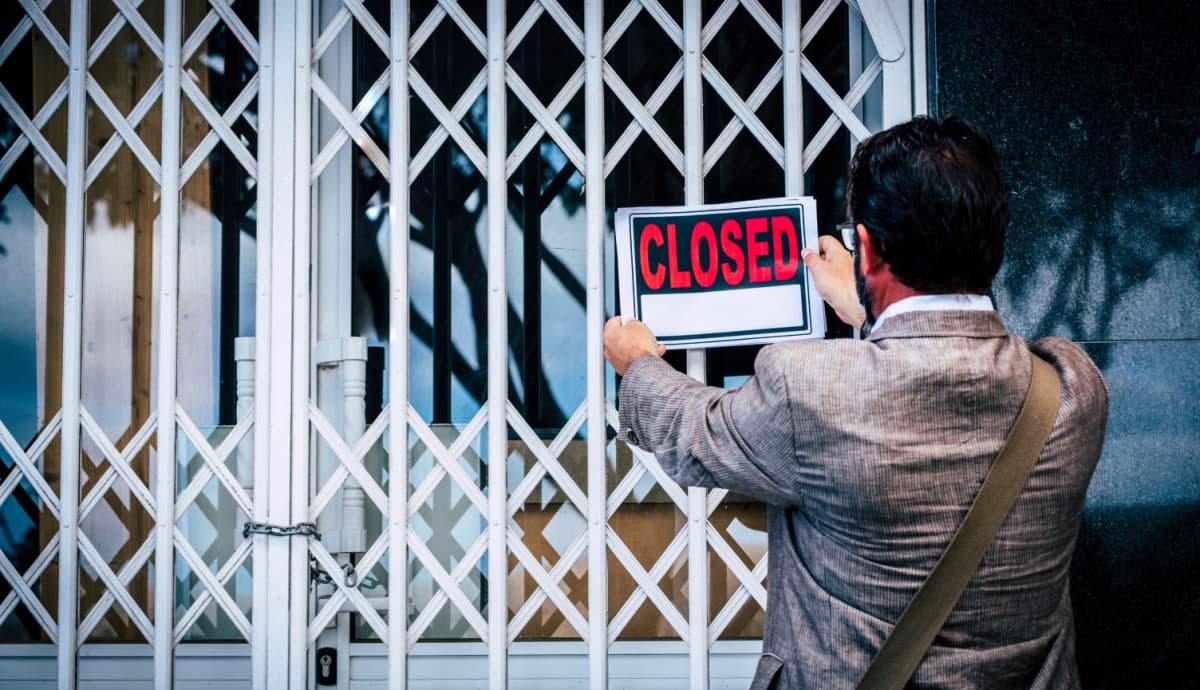
Lemon, a cryptocurrency platform founded in Argentina, has announced it will end its operations in Brazil, attributing the decision to new regulatory requirements from Brazil's central bank, the Banco Central do Brasil. The exit comes amid a sharp reorganisation of the local market and stands out because, just over a month ago, the company had deepened its bet on the country by launching a Visa card integrated with cryptocurrencies.
In a notice sent to customers this week, Lemon said the new regulation established "rules and requirements that do not favour the development of products in our sector". The company did not specify, however, which provision of the new rules made its operation unviable.
Following the announcement, Brazilian users can no longer add new features to the platform. The Lemon Card will stop working on 30 September, while Brazilian accounts will be automatically closed on 16 October. The decision is limited to Brazil and, according to the company, does not affect operations in Argentina, Colombia and Peru.
The exit marks a reversal in the company's trajectory in the country. Lemon first entered the Brazilian market in March 2022, initially with a beta version for 10,000 users that allowed buying and selling Bitcoin and Ethereum using reais. At the time, the company announced plans to hire 60 people in Brazil by the end of that year.
In October 2022, the platform expanded its integration with the local financial system by enabling transfers via Pix and already offered products related to various cryptocurrencies and staking.
The company maintained a presence in Brazil in the following years and, in 2026, again stepped up its local strategy. Its own website began highlighting Brazil among its expansion markets for the year, while the structure the company used in the country appeared to be in the process of seeking authorisation from the central bank to operate as a virtual asset service provider.
Portal do Bitcoin attempted to contact the company for further details but had received no response by the time of publication.
Card arrived in Brazil shortly before the exit
The strategy shift is all the more striking because Lemon had been launching new products for the Brazilian public.
In May, the company opened a waiting list for the Lemon Card, presented as a card capable of using both reais and cryptocurrencies for payments.
Then in August, Lemon formally announced a partnership with payments infrastructure company Pomelo to bring the Visa Lemon Card to the country. The product allowed payments in reais and offered cashback in digital dollars, extending to Brazil a partnership that already existed in Peru and Colombia.
Pomelo described the launch as a new stage in Lemon's regional expansion. The announcement was published on 10 August, but now, just over a month later, the card already has a set date to be discontinued.
Lemon had also been offering Brazilian users products linked to stablecoins and decentralised finance. In June, for example, it began offering returns on its so-called "Digital Dollar", with funds directed to the DeFi protocol Morpho.
The decision to leave comes precisely during the transition period for the new regulatory framework governing cryptocurrency companies in Brazil. Resolutions BCB No. 519, 520 and 521, published by the central bank in November 2025, set rules for the authorisation, operation and certain foreign exchange transactions involving virtual asset service providers. The core of the rules took effect in February this year.
For companies that were already operating before the regulation took effect, the window to apply for authorisation ends on 29 October. From 30 October, financial and payment institutions regulated by the central bank will be barred from enabling certain transactions with virtual asset service providers that are not authorised or in the process of seeking authorisation in the country.
The requirements cover, among other points, governance, internal controls, security, anti-money laundering measures and operating requirements for companies.
Exits pile up in the Brazilian crypto market
Lemon is not the only company reassessing its presence in Brazil ahead of the end of the regulatory transition period.
Brazilian firm Coinext announced in early September that it will end its cryptocurrency exchange activities. The company said it had reviewed alternatives to comply with the new requirements but concluded that none would make continuing the operation viable.
Digitra.com made a similar decision. The company chose not to apply for authorisation from the central bank and announced it would end its retail trading and custody activities. In a statement, it linked the decision directly to Resolutions 519, 520 and 521 and to the new capital and governance requirements.
Before them, NovaDAX had already announced, in June, the discontinuation of its operations in the country. Trading ended on 1 July, though the company did not publicly attribute the decision exclusively to the new regulation.
The trend also affects larger foreign companies. Mexican firm Bitso, one of Latin America's largest crypto platforms, will end its direct services for retail investors in Brazil by 30 October after agreeing a partnership to migrate customers to Mercado Bitcoin. New accounts have already stopped being opened, and all services on the Brazilian app will be discontinued on 31 October.
Crypto.com, meanwhile, has not announced a full exit from the country but has decided to close its real-denominated account on 25 October. After that date, Brazilian users will no longer be able to deposit or withdraw BRL, nor directly convert between reais and cryptocurrencies on the platform. Trading of more than 400 cryptocurrencies and the company's card, however, will remain available.
The motivations are not the same in every case. Coinext, Digitra and now Lemon have linked their decisions directly to the new regulatory environment, while NovaDAX presented its move as a strategic decision. Bitso tied its change to the partnership with Mercado Bitcoin, and Crypto.com has not said that the closure of its real-denominated account stems from the central bank's rules.
Even so, the sequence points to an accelerated consolidation of Brazil's crypto sector ahead of 30 October. Companies wishing to remain in the market will have to enter the central bank's new authorisation regime, while those that consider the costs or requirements incompatible with their business models are beginning to cut products or leave the country.
The gateway to bitcoin, the world's largest cryptocurrency, is MB. It is simple, secure and transparent. Stop putting off an investment with huge potential. Invest in a few clicks!