Brazil's securities regulator, the Comissão de Valores Mobiliários (CVM), has finalised a proposal for a pilot programme to test, in practice, the use of distributed ledger technology (DLT) in the tokenisation of the Brazilian capital market. The draft was delivered to the regulator's board on Tuesday (15th) and provides for tests involving the issuance, offering, trading, custody and settlement of tokenised securities.
The so-called CVM DLT Pilot Programme was drafted by the Tokenisation Working Group (GTT), made up of officials from 14 of the regulator's departments and market representatives. The proposal will now be analysed by the CVM's board before any eventual implementation.
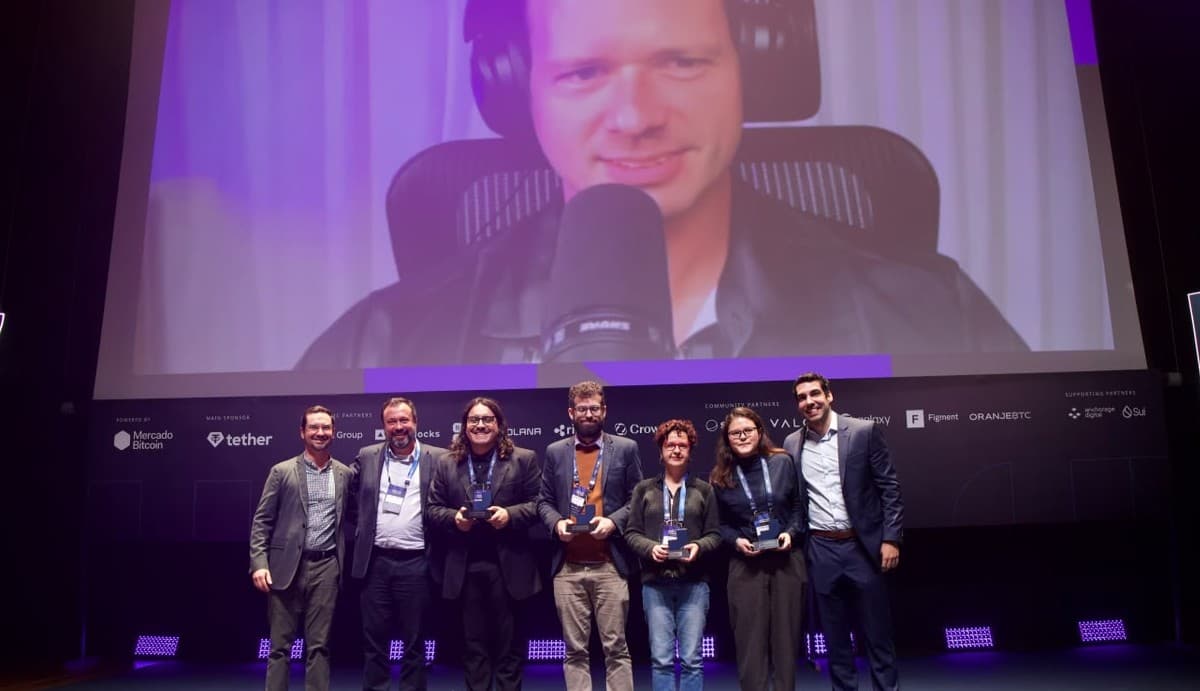
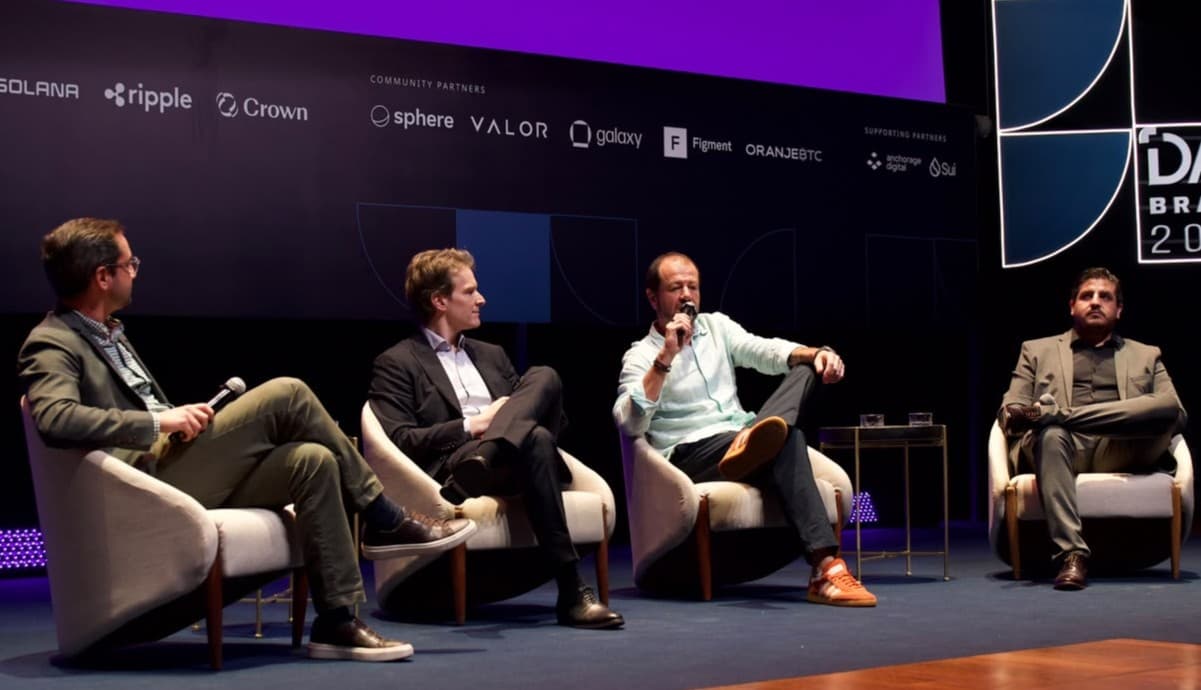
The initiative confirms the move mentioned by CVM chairman Otto Lobo during his appearance at the Digital Assets Conference (DAC) on Wednesday (16th). At the event, he said the regulator intends to speed up tokenisation tests as early as 2026 and that the regulatory process should move forward on a "fast track" basis.
According to the CVM, the pilot's aim will be to assess the technical, operational and legal feasibility of DLT operations, as well as to test interoperability between networks and identify risks, vulnerabilities and possible regulatory gaps. The intention, the regulator says, is not to limit the experiments to any particular technology.
Read also: CVM speeds up tokenisation and prepares to use AI in market supervision
"Before proposing the draft, the Tokenisation Working Group took care to consult various market participants […] so as not to steer or limit the tests towards particular technologies," said Bruno Gomes, the CVM's superintendent for securitisation and agribusiness.
Shares, debentures and funds could be tokenised in the tests
The proposal allows the experiments to involve different types of securities, including shares, debentures, receivables certificates and investment fund units, as well as other instruments and collective investment contracts.
The CVM intends to monitor the operations directly through access mechanisms to the networks selected for the tests. This could allow the regulator to view records of DLT-based transactions in real time.
The model is aligned with the vision presented by Otto Lobo at the DAC. The CVM chairman said the intention is not to immediately replace traditional infrastructure, but to create conditions for conventional and tokenised systems to operate in parallel.
"We will have two tracks running at the same time," Lobo said, drawing a comparison with the coexistence of combustion-engine and electric cars. According to him, the CVM intends to remain technology-agnostic and let different architectures compete for space in the market.
The pilot will initially run for 60 days, with the possibility of a 30-day extension. At the end, participants will need to submit reports on the results of the tests, risks identified and possible recommendations for regulatory or legal changes.
The delivery of the draft also closes the first stage of the GTT, which was created in July with a 60-day deadline to present a proposal for an experimental regulatory regime for the trading and settlement of tokenised securities.
CVM also wants to use AI to supervise the tokenised market
Tokenisation is part of a broader shift planned by the CVM in how it supervises the market.
At the DAC, Lobo said the regulator is working on building a supervisory infrastructure based on a large data repository and artificial intelligence. The idea is to bring together information currently scattered across different institutions and use AI to identify irregularities more quickly.
According to him, investigations that currently depend on reconstructing chains of ownership and can take months or years could instead rely on standardised, verifiable digital trails.
"Sanctions stop being the first line of defence," Lobo said at the event. The proposal is that technological mechanisms, including smart contracts, could detect or even prevent certain irregular operations before they are completed.
The pilot's own structure, as now announced by the CVM, already provides for the regulator to access network records in real time, creating an initial practical application of this supervisory approach.
Lobo also said at the DAC that Brazil needs to move quickly so as not to lose tokenisation business to other jurisdictions. According to him, more than technology, foreign investors are looking for regulatory predictability.
"Foreign capital doesn't come for the technology, it comes for the predictability," said the CVM chairman, who added that other jurisdictions are moving quickly to build new financial infrastructure.
The move comes alongside the expansion of rules for the crypto asset market by Brazil's central bank, the Banco Central do Brasil. Also during the DAC, Nagel Paulino, a division head at the central bank's Financial System Regulation Department, said staking and stablecoins are among the topics expected to receive more specific treatment after the implementation of rules for virtual asset service providers.
So, while the central bank moves forward on exchanges and other crypto asset services, the CVM is beginning to test how traditional securities can migrate to a tokenised infrastructure — two developments that expand the space digital assets occupy within Brazil's financial system.
Want to invest in the world's largest cryptocurrency? At MB, you can get started in just a few clicks, safely and transparently. Don't put off a promising wallet and do more with your money. Open your account and invest in bitcoin now!